

Smithing, a craft that has shaped civilizations, dates back thousands of years. You might find it fascinating to learn that the earliest evidence of metalworking can be traced to around 4000 BCE in ancient Mesopotamia. This period marked the transition from the Stone Age to the Bronze Age, where artisans began to experiment with copper and tin to create bronze, a material that revolutionized tools and weapons.
As you delve deeper into history, you’ll discover that smithing was not merely a trade; it was an essential skill that contributed to the rise of empires. The ability to forge metal allowed societies to develop agriculture, warfare, and trade, laying the groundwork for modern civilization. As you explore the evolution of smithing, you’ll notice how different cultures adapted the craft to their needs.
In ancient Egypt, blacksmiths were revered for their ability to create intricate jewelry and tools, while in medieval Europe, the blacksmith became a vital figure in every village, providing essential items for daily life. The craft continued to evolve through the ages, with techniques being passed down through generations. You may find it intriguing that during the Industrial Revolution, smithing underwent a significant transformation with the introduction of mechanized tools, which increased production but also changed the nature of the craft.
Today, while many traditional methods have been overshadowed by technology, smithing remains a respected art form that connects you to your ancestors and their ingenuity.
Key Takeaways
- Smithing has a long history dating back to ancient civilizations, with evidence of metalworking found in various cultures around the world.
- Understanding the anatomy of a smithing hammer is crucial for mastering the craft, as different types of hammers are used for specific tasks in the forging process.
- Mastering the technique of striking is essential for creating quality metalwork, requiring precision and control to shape and manipulate the metal effectively.
- Controlling temperatures in the forge is a science that requires knowledge of different heating methods and the behavior of metals at various temperatures.
- Choosing the right materials is key to successful smithing, with different metals offering unique properties and characteristics for specific applications.
Understanding the Tools: The Anatomy of a Smithing Hammer
The Head of the Hammer
The head is typically made of hardened steel and is where most of the work happens. You’ll find that different hammers have different shapes and weights, allowing you to choose one that suits your particular project.
The Peen: A Critical Aspect
The peen of the hammer is another critical aspect that you should understand. It can be flat, rounded, or even pointed, depending on what you aim to achieve with your work. For instance, a flat peen is excellent for general shaping, while a rounded peen is ideal for creating curves and contours in your metalwork.
The Handle: Providing Grip and Leverage
The handle, often made from wood or fiberglass, provides you with the grip and leverage needed to deliver powerful strikes. As you familiarize yourself with these components, you’ll begin to appreciate how each element contributes to the overall effectiveness of your hammer in shaping metal.
Mastering the Technique: Perfecting Your Striking Skills
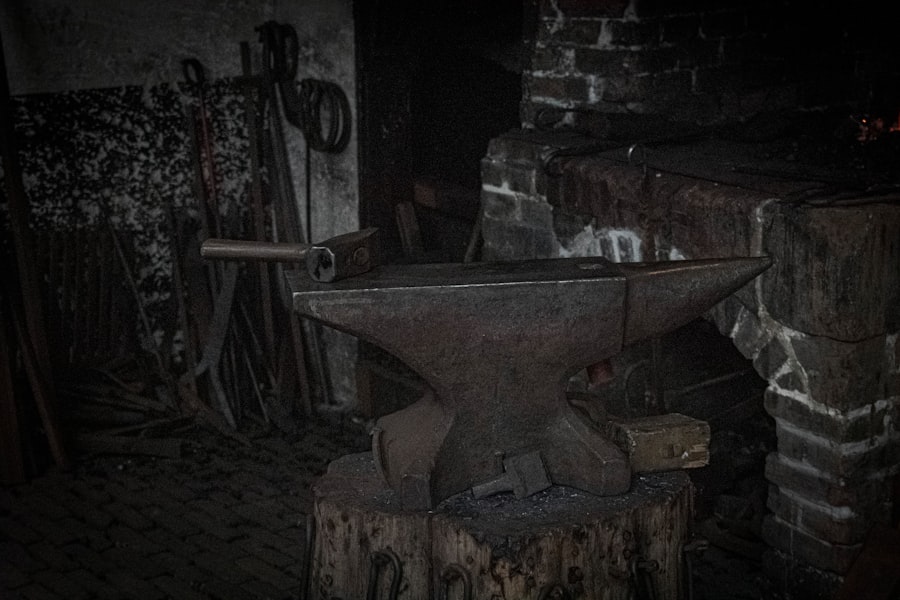
Once you have your hammer in hand, mastering your striking technique becomes paramount. You may find that striking with precision and control is just as important as having the right tools. The key lies in understanding your stance and grip.
Stand with your feet shoulder-width apart for stability, and hold the hammer firmly but not too tightly; this will allow for better control during your strikes. As you practice, focus on using your whole body rather than just your arms. Engaging your legs and core will help you generate more power and maintain balance.
As you refine your technique, consider the rhythm of your strikes. A consistent rhythm not only improves your efficiency but also enhances the quality of your work. You might find it helpful to practice striking against an anvil or a piece of scrap metal until you develop a comfortable cadence.
Pay attention to how each strike affects the metal; this feedback will guide you in adjusting your technique as needed. Over time, as you become more attuned to the nuances of striking, you’ll find that your skills improve dramatically, allowing you to create more intricate and precise pieces.
The Science of Heat: Controlling Temperatures in the Forge
| Temperature Control Method | Advantages | Disadvantages |
|---|---|---|
| Coal Forge | High heat output, traditional method | Requires constant maintenance, produces smoke |
| Gas Forge | Clean burning, precise temperature control | Initial cost, limited to certain fuel types |
| Electric Forge | Easy to use, consistent heat output | Dependent on electricity, limited portability |
In smithing, heat is your ally and enemy all at once. Understanding how to control temperatures in the forge is crucial for achieving desired results with your metalwork. When you heat metal, it becomes malleable and easier to shape; however, overheating can lead to oxidation or even damage to the material.
You’ll want to familiarize yourself with different temperature ranges for various metals. For example, steel typically needs to reach temperatures between 1,500°F and 2,000°F before it becomes workable. As you work in the forge, monitoring temperature becomes an essential skill.
You might find it useful to invest in a pyrometer or infrared thermometer to help gauge heat levels accurately. Additionally, learning how to manage your fuel source—whether it’s coal, propane, or charcoal—will significantly impact your ability to maintain consistent temperatures. As you gain experience, you’ll develop an intuitive sense for when your metal is ready for shaping and when it needs more time in the fire.
Choosing the Right Materials: Selecting the Best Metals for Smithing
The choice of materials plays a pivotal role in smithing; selecting the right metals can make or break your project. As you embark on your smithing journey, consider starting with mild steel or wrought iron. These materials are forgiving for beginners and allow for easier manipulation without cracking or breaking under stress.
You may also want to explore high-carbon steel as you gain confidence; this material can hold an edge well and is ideal for making tools and knives. As you become more experienced, experimenting with different alloys can open up new creative avenues for your work. Stainless steel offers corrosion resistance but can be more challenging to forge due to its higher carbon content.
On the other hand, bronze and brass can add unique aesthetic qualities to your projects while providing excellent durability. As you select materials for your work, consider not only their physical properties but also how they align with your artistic vision.
The Artistic Side of Smithing: Incorporating Design and Creativity
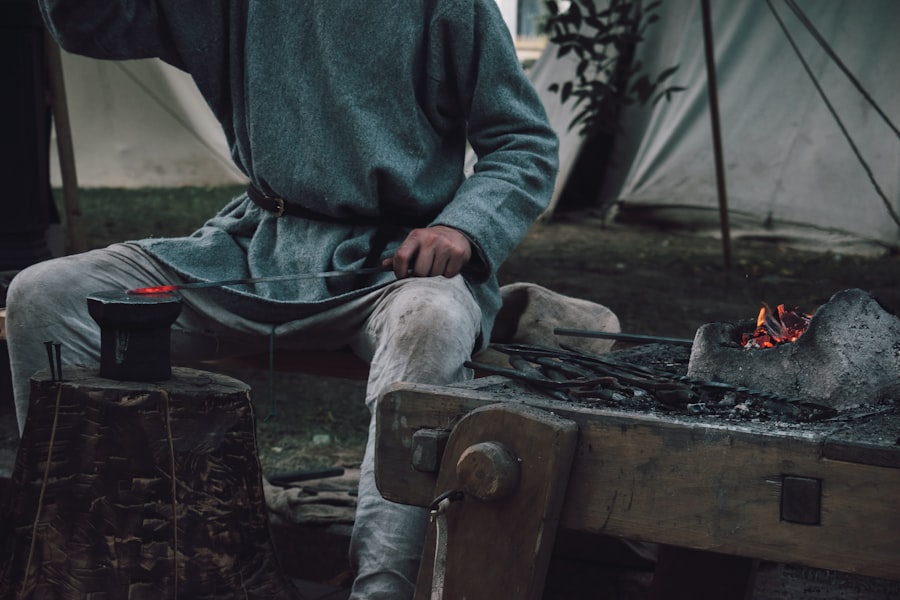
While smithing is often viewed as a technical craft, it also offers a rich canvas for artistic expression. As you hone your skills, don’t shy away from incorporating design elements into your work. You might find inspiration in nature, architecture, or even abstract concepts as you create functional pieces like tools or decorative items such as sculptures or jewelry.
The beauty of smithing lies in its versatility; every piece can tell a story or convey a message through its design. To enhance your artistic side, consider studying various styles and techniques from different cultures and historical periods. You may find that traditional Japanese blacksmithing techniques offer unique insights into form and function that can elevate your work.
Additionally, experimenting with different finishes—such as patinas or polishing—can add depth and character to your creations. As you blend technical skill with artistic vision, you’ll discover that smithing is not just about shaping metal; it’s about creating something meaningful that resonates with both you and those who experience it.
Safety First: Essential Tips for Working with a Smithing Hammer
Safety should always be at the forefront of your mind when working with a smithing hammer and other tools in the forge. The nature of this craft involves high temperatures and heavy equipment, making it essential to take precautions seriously. Start by wearing appropriate personal protective equipment (PPE), including safety goggles to protect your eyes from flying sparks and gloves designed for heat resistance.
A sturdy apron can also shield you from hot metal splashes while providing an extra layer of protection. In addition to wearing PPE, maintaining a clean and organized workspace is crucial for safety.
You should also be aware of your surroundings; keep flammable materials away from the forge area and ensure proper ventilation when working with fuels or chemicals. By cultivating safe habits from the beginning, you’ll not only protect yourself but also create an environment conducive to creativity and productivity.
The Future of Smithing: Innovations and Modern Applications of the Craft
As you look toward the future of smithing, you’ll find that this ancient craft continues to evolve alongside technological advancements. Innovations such as CNC machines and plasma cutters are being integrated into traditional smithing practices, allowing artisans to achieve precision that was once unimaginable. While some purists may argue that these technologies detract from the authenticity of hand-forged work, many smiths embrace them as tools that enhance their creative possibilities.
You may find contemporary blacksmiths collaborating with designers and architects to create stunning metalwork that serves both functional and aesthetic purposes in public spaces or private homes. As sustainability becomes increasingly important in today’s world, many smiths are also exploring eco-friendly practices by using recycled metals or adopting energy-efficient forging methods.
By staying informed about these trends and innovations, you’ll be well-equipped to navigate the future landscape of smithing while honoring its rich history and traditions.


