

The forge hammer is a quintessential tool in the realm of metalworking, embodying both tradition and innovation. As you delve into the world of blacksmithing and metal fabrication, you will find that this powerful instrument is not merely a tool but a symbol of craftsmanship and skill. The forge hammer has been pivotal in shaping metals for centuries, allowing artisans to transform raw materials into functional and artistic creations.
Its significance extends beyond mere utility; it represents the fusion of human ingenuity and the elemental forces of nature. As you explore the intricacies of the forge hammer, you will discover its various forms and functions. From the rhythmic pounding of a blacksmith’s hammer to the mechanized precision of modern hammers, this tool has evolved dramatically over time.
Understanding its history and applications will deepen your appreciation for the craft and inspire you to harness its power in your own metalworking endeavors. Whether you are a seasoned professional or a curious novice, the forge hammer invites you to engage with the material world in a profound way.
Key Takeaways
- The forge hammer is a crucial tool in metalworking, used to shape and manipulate metal through force and pressure.
- The history of the forge hammer dates back to ancient times, evolving from manual to mechanical designs to meet the demands of metal fabrication.
- The forge hammer plays a vital role in metal fabrication, providing the necessary force to shape, bend, and form metal into various products and components.
- Different types of forge hammers, such as power hammers and hydraulic hammers, are used for specific metalworking tasks, including forging, drawing out, and shaping metal.
- Mastering the forge hammer requires proper techniques, including controlling the force and angle of the hammer to achieve precise and accurate metal shaping.
History of the Forge Hammer in Metalworking
The history of the forge hammer is as rich and varied as the metals it shapes. Its origins can be traced back to ancient civilizations, where early blacksmiths utilized simple hand-held hammers to manipulate metals like bronze and iron. These primitive tools laid the groundwork for what would become a cornerstone of metalworking.
As you study this evolution, you will see how different cultures adapted their techniques and designs, leading to the diverse array of hammers we have today. In medieval Europe, the forge hammer gained prominence as blacksmithing became an essential trade. The introduction of water-powered hammers in the 12th century marked a significant advancement, allowing for greater efficiency and consistency in metal shaping.
This innovation not only revolutionized production but also elevated the status of blacksmiths within society. As you reflect on this historical context, consider how these developments have influenced modern metalworking practices and the tools you use today.
The Importance of the Forge Hammer in Metal Fabrication
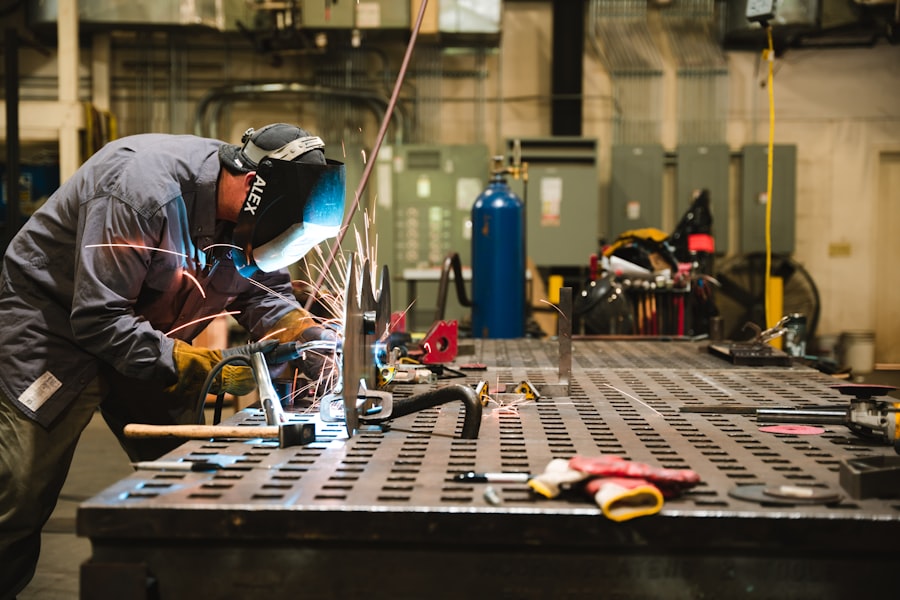
The forge hammer plays a crucial role in metal fabrication, serving as a bridge between raw material and finished product. Its ability to deliver powerful blows allows for precise shaping and forming of metals, making it indispensable in various applications. As you engage with this tool, you will come to understand its importance in creating everything from simple tools to intricate sculptures.
The forge hammer enables you to manipulate metal with finesse, transforming it into objects that are both functional and aesthetically pleasing. Moreover, the forge hammer fosters creativity and innovation in metalworking. With each strike, you have the opportunity to explore new techniques and designs, pushing the boundaries of what is possible with metal.
As you master the forge hammer, you will find that it not only enhances your technical skills but also inspires your artistic vision.
Different Types of Forge Hammers and Their Uses
| Forge Hammer Type | Uses |
|---|---|
| Ball Peen Hammer | Used for shaping metal and closing rivets |
| Cross Peen Hammer | Used for shaping metal and creating textures |
| Claw Hammer | Used for driving nails and removing nails or other fasteners |
| Sledge Hammer | Used for heavy-duty striking and demolition work |
As you delve deeper into the world of forge hammers, you will encounter various types designed for specific tasks. Each hammer has its unique characteristics that cater to different aspects of metalworking. For instance, the traditional hand hammer is favored for its versatility and control, making it ideal for detailed work and fine adjustments.
You may find yourself reaching for this tool when crafting delicate pieces or performing intricate joinery. On the other hand, power hammers have revolutionized the industry by providing consistent force and speed. These mechanized hammers are particularly useful for large-scale production or when working with tougher materials that require more power than a hand hammer can provide.
Understanding their specific uses will empower you to choose the right tool for each project, ultimately leading to better results.
Techniques for Mastering the Forge Hammer
Mastering the forge hammer requires practice, patience, and a willingness to learn from both successes and failures. As you begin your journey, focus on developing your striking technique. The angle of your strikes, the force applied, and your body positioning all play critical roles in achieving desired results.
You may find it helpful to start with simple projects that allow you to hone your skills before tackling more complex designs. Additionally, understanding the properties of different metals will enhance your ability to work effectively with the forge hammer. Each type of metal responds differently to heat and pressure, so familiarizing yourself with these characteristics will enable you to adjust your techniques accordingly.
Experimentation is key; don’t hesitate to try new approaches or modify your methods as you gain experience. Over time, you will develop a rhythm and intuition that will make working with the forge hammer feel second nature.
Safety Precautions When Using a Forge Hammer

Safety should always be a top priority when working with any metalworking tools, especially the forge hammer. As you engage with this powerful instrument, it is essential to equip yourself with proper safety gear. Wearing safety glasses will protect your eyes from flying debris, while gloves can help prevent cuts and burns from hot materials.
Additionally, sturdy footwear is crucial; steel-toed boots can safeguard your feet from heavy objects that may accidentally fall. Beyond personal protective equipment, maintaining a clean and organized workspace is vital for safety. Ensure that your work area is free from clutter and that tools are stored properly when not in use.
Familiarize yourself with emergency procedures in case of accidents or injuries, as being prepared can make all the difference in critical situations. By prioritizing safety measures, you can focus on honing your skills with the forge hammer while minimizing risks.
The Future of the Forge Hammer in Metalworking
As technology continues to advance, the future of the forge hammer in metalworking appears promising yet complex. While traditional hand hammers will always hold a special place in craftsmanship, mechanized options are becoming increasingly prevalent in industrial settings. These modern hammers offer enhanced precision and efficiency, allowing for mass production without sacrificing quality.
As you consider this shift, think about how it might influence your own practice as a metalworker. However, despite these advancements, there remains an enduring appreciation for traditional techniques and handmade craftsmanship. Many artisans are embracing a hybrid approach that combines modern technology with time-honored methods.
This fusion allows for greater creativity while still honoring the rich history of metalworking. As you navigate this evolving landscape, remain open to new ideas while also cherishing the skills that have been passed down through generations.
Harnessing the Power of the Forge Hammer
In conclusion, the forge hammer stands as a testament to human creativity and resilience in metalworking. Its rich history and diverse applications make it an invaluable tool for anyone passionate about shaping metal into art or function. As you continue your journey with this powerful instrument, remember that mastery comes with time and practice.
Embrace both the challenges and triumphs that come with working alongside such a dynamic tool. By harnessing the power of the forge hammer, you not only enhance your technical skills but also connect with a lineage of artisans who have come before you. Whether you are crafting practical items or exploring artistic expressions, let this tool inspire your creativity and drive your passion for metalworking forward.
The forge hammer is more than just a tool; it is an extension of your vision and craftsmanship, waiting for you to unlock its full potential.


