
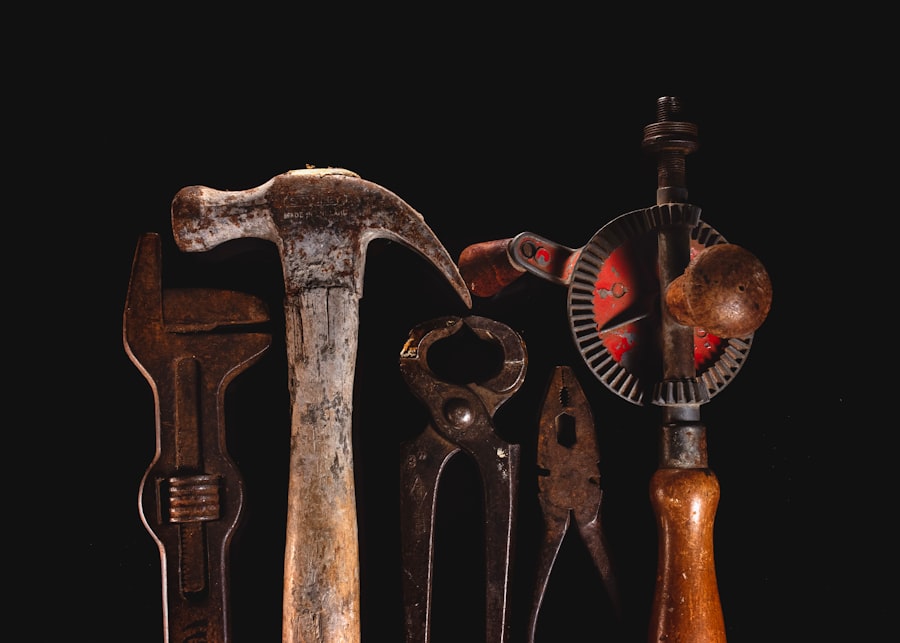
Forge crafting is an ancient art that has evolved over centuries, yet its core principles remain rooted in the same fundamental techniques.
You may find yourself captivated by the rhythmic sounds of hammer striking metal, the glow of the forge, and the transformative process that turns raw materials into functional or decorative items.
Understanding these basics is crucial as you embark on your journey into this fascinating craft. As you delve deeper into forge crafting, you will discover that it is not merely about shaping metal; it is also about understanding the properties of different metals and how they respond to heat and pressure. Each type of metal has its unique characteristics, which can influence the final product.
For instance, steel is known for its strength and versatility, while copper offers excellent conductivity and aesthetic appeal. By familiarizing yourself with these properties, you can make informed decisions about which materials to use for your projects, ultimately enhancing your skills and creativity in the forge.
Key Takeaways
- Understanding the basics of forge crafting is essential for beginners to grasp the fundamental concepts and processes involved.
- Choosing the right materials for forge crafting is crucial for achieving the desired strength, durability, and aesthetic appeal in the final product.
- Mastering the techniques of forge crafting requires practice, patience, and a deep understanding of heat manipulation, metalworking, and shaping methods.
- Exploring different types of forge crafting projects allows artisans to expand their skills and creativity, from traditional blacksmithing to modern metal art.
- Safety precautions for forge crafting are non-negotiable, including proper ventilation, protective gear, and adherence to fire and heat safety protocols.
- Tips for maintaining and caring for forge crafting tools help prolong their lifespan and ensure consistent performance in the workshop.
- Showcasing the artistry of forge crafting involves highlighting the unique designs, intricate details, and craftsmanship of the finished pieces.
- Embracing modern innovations in forge crafting technology opens up new possibilities for efficiency, precision, and creativity in metalworking.
Choosing the Right Materials for Forge Crafting
Selecting the right materials is a pivotal step in the forge crafting process. The choice of metal can significantly impact not only the functionality of your finished piece but also its aesthetic qualities. As you begin to explore various metals, consider factors such as strength, ductility, and corrosion resistance.
For example, if you are crafting tools or hardware that require durability, high-carbon steel may be your best option due to its hardness and ability to hold an edge. On the other hand, if you are looking to create decorative items, softer metals like brass or aluminum might be more suitable for intricate designs. In addition to the type of metal, you should also consider the size and shape of the material you will be working with.
Raw materials come in various forms, including bars, sheets, and rods, each offering different advantages depending on your project. You may find that starting with smaller pieces allows for easier manipulation and experimentation as you hone your skills. Furthermore, sourcing materials from local suppliers or recycling old metal can not only save costs but also add a unique story to your creations.
By thoughtfully selecting your materials, you set a solid foundation for successful forge crafting.
Mastering the Techniques of Forge Crafting

Once you have a grasp of the basics and have chosen your materials, it’s time to dive into the techniques that define forge crafting. Mastery of these techniques requires practice and patience, but the rewards are well worth the effort. One fundamental technique is drawing out, which involves elongating a piece of metal by hammering it while it is heated.
This technique is essential for creating tools or components that require specific dimensions. As you practice drawing out metal, pay attention to how it responds to your hammer strikes; this will help you develop a feel for the material.
Bending can be achieved through various methods, including using a bending jig or simply manipulating the metal by hand. As you experiment with bending techniques, consider how different angles can affect the overall design and functionality of your piece. Additionally, learning how to join pieces of metal through welding or forge welding will expand your capabilities significantly.
By mastering these techniques, you will gain confidence in your abilities and open up a world of possibilities in your forge crafting endeavors.
Exploring Different Types of Forge Crafting Projects
| Project Type | Materials Needed | Difficulty Level |
|---|---|---|
| Knife Making | Steel, handle material, rivets | Intermediate |
| Blacksmithing | Iron, anvil, hammer, tongs | Advanced |
| Forging Jewelry | Gold, silver, gemstones | Beginner |
The beauty of forge crafting lies in its versatility; there are countless projects you can undertake, each offering unique challenges and opportunities for creativity. As you explore different types of projects, consider what interests you most—whether it’s functional items like knives and tools or decorative pieces such as sculptures and jewelry. Each project type requires different skills and techniques, allowing you to continually grow as a craftsman.
For instance, if you are drawn to functional items, crafting a knife can be an excellent starting point. This project will teach you about blade geometry, heat treatment, and handle construction. Alternatively, if you prefer decorative work, creating a wrought iron gate or a piece of wall art can allow for more artistic expression while still honing your technical skills.
As you experiment with various projects, don’t hesitate to push your boundaries; each new challenge will enhance your understanding of forge crafting and help you develop your unique style.
Safety Precautions for Forge Crafting
Safety should always be a top priority when engaging in forge crafting. The process involves high temperatures, heavy tools, and sharp edges, all of which pose potential hazards if not handled properly. Before you begin any project, ensure that you have the appropriate safety gear in place.
This includes heat-resistant gloves, safety goggles to protect your eyes from sparks and debris, and sturdy footwear to shield your feet from falling objects. In addition to personal protective equipment (PPE), it’s essential to maintain a safe working environment. Keep your workspace organized and free from clutter to minimize the risk of accidents.
Ensure that all tools are in good condition and stored properly when not in use. Familiarize yourself with emergency procedures in case of accidents or injuries. By prioritizing safety measures, you can focus on honing your craft without unnecessary risks.
Tips for Maintaining and Caring for Forge Crafting Tools

Your tools are an extension of your skills as a forge crafter; therefore, proper maintenance is crucial for ensuring their longevity and effectiveness. Regularly inspect your tools for signs of wear or damage, such as chipped hammers or dull chisels. Keeping your tools sharp not only makes them easier to use but also enhances the quality of your work.
Invest time in learning how to sharpen various tools correctly; this skill will pay off in both efficiency and precision. Additionally, cleaning your tools after each use is vital for preventing rust and corrosion. Metal tools should be wiped down with an oily cloth to create a protective barrier against moisture.
Store your tools in a dry environment to further reduce the risk of rusting. By taking care of your tools, you ensure that they remain reliable companions throughout your forge crafting journey.
Showcasing the Artistry of Forge Crafting
Forge crafting is not just about functionality; it is also an art form that allows for personal expression and creativity. As you develop your skills, consider how you can showcase your artistry through your work. This could involve experimenting with different finishes, textures, and designs that reflect your unique style.
Incorporating elements such as engraving or patinas can elevate your pieces from mere objects to works of art. Participating in local craft fairs or exhibitions can provide an excellent platform for showcasing your creations to a broader audience. Sharing your work with others not only allows you to receive feedback but also fosters connections within the crafting community.
Engaging with fellow artisans can inspire new ideas and techniques that further enhance your artistry. Embrace opportunities to display your work; it’s a rewarding way to celebrate your journey as a forge crafter.
Embracing the Modern Innovations in Forge Crafting Technology
As with many crafts, forge crafting has seen significant advancements in technology that can enhance both efficiency and creativity. Modern innovations such as induction heaters allow for quicker heating times compared to traditional forges, enabling you to work more efficiently without sacrificing quality. Additionally, computer-aided design (CAD) software can assist in planning intricate designs before you even touch the metal.
While embracing these technologies can streamline certain aspects of forge crafting, it’s essential to remember the value of traditional techniques and skills that have stood the test of time. Striking a balance between modern innovations and classic methods will allow you to create unique pieces that honor the rich history of forge crafting while also pushing the boundaries of what is possible today. By staying informed about new tools and techniques, you can continually evolve as a craftsman while remaining true to the art form’s roots.
In conclusion, forge crafting is a multifaceted discipline that combines skill, creativity, and tradition. By understanding its basics, choosing the right materials, mastering essential techniques, exploring diverse projects, prioritizing safety, maintaining tools diligently, showcasing artistry, and embracing modern innovations, you can embark on a fulfilling journey in this timeless craft. Whether you’re creating functional items or artistic masterpieces, each piece tells a story—your story—as a forge crafter dedicated to preserving and evolving this remarkable art form.


