
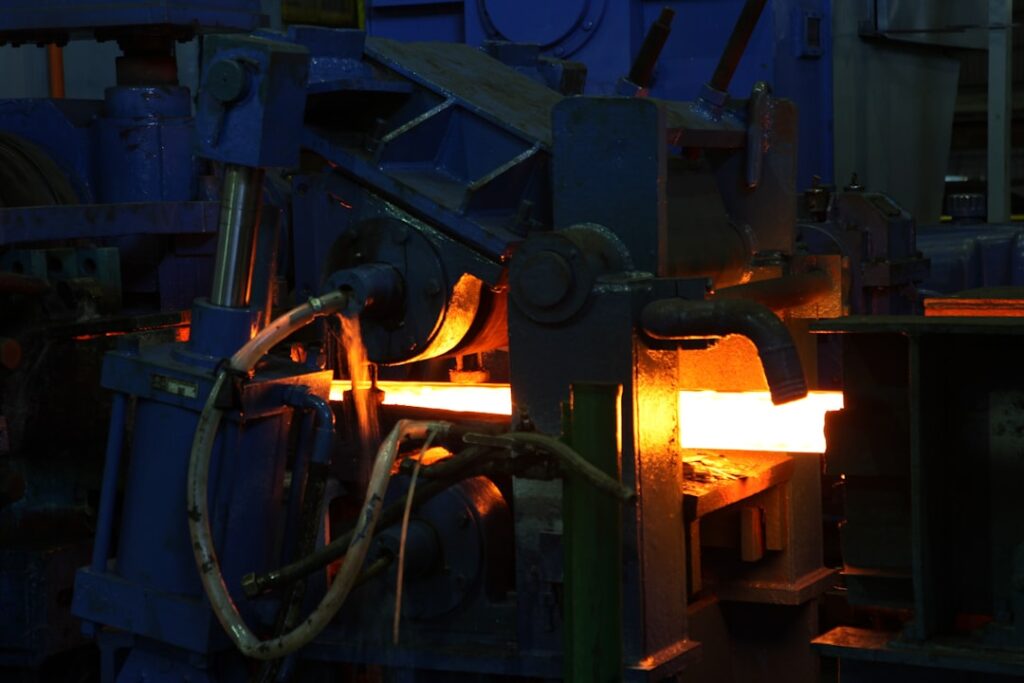
The history of metal forging is a tale that intertwines with the very development of human civilization. The origins of this ancient craft can be traced back to around 4000 BC, when early humans first began to manipulate metals such as copper and gold. These early metallurgists discovered that by heating metal and hammering it into shape, they could create tools and ornaments that were not only functional but also aesthetically pleasing.
The advent of the Bronze Age around 3000 BC marked a significant turning point in metalworking, as the combination of copper and tin produced bronze, a material that was stronger and more durable than its predecessors. This innovation led to the creation of weapons, tools, and various artifacts that played a crucial role in the advancement of societies. As civilizations evolved, so did the techniques and applications of metal forging.
Blacksmiths became essential figures in communities, providing not only tools and weapons but also artistic creations that reflected cultural values. The spread of forging techniques across different regions led to the establishment of distinct styles and methods, influenced by local resources and traditions.
By the Middle Ages, metal forging had become a highly respected trade, with guilds forming to regulate practices and maintain quality. The Renaissance further propelled the craft into new realms, as artists and artisans began to explore the aesthetic potential of forged metal, leading to intricate designs and decorative elements in architecture and everyday objects.
Key Takeaways
- Metal forging has a long history dating back to ancient civilizations, and has evolved over time with advancements in technology and techniques.
- The basics of metal forging involve heating metal to a high temperature and shaping it through compressive force, resulting in improved strength and durability.
- Different techniques of metal forging include open-die forging, closed-die forging, and seamless ring rolling, each with its own advantages and applications.
- Strength and precision are crucial in metal forging to ensure the quality and integrity of the final product, making it suitable for demanding applications in various industries.
- Metal forging requires specialized tools and equipment such as hammers, presses, and furnaces, which are essential for manipulating the metal into the desired shape and form.
The Basics of Metal Forging
The Shaping Process
Once heated, the metal can be shaped using various tools and techniques, which can include hammers, presses, or dies. The fundamental principle behind metal forging is the transformation of the material’s internal structure. When metal is forged, its grain structure is refined, resulting in improved mechanical properties such as strength and toughness.
Applications and Methods
This is particularly important in applications where durability is critical. The process can be performed in several ways, including open-die forging, closed-die forging, and impression-die forging. Each method has its own advantages and is chosen based on factors such as the desired shape, size, and production volume.
Importance of Understanding Metal Forging
Understanding these basics is essential for anyone looking to delve deeper into the world of metal forging.
The Different Techniques of Metal Forging

Metal forging encompasses a variety of techniques that cater to different requirements in terms of shape, size, and material properties. Open-die forging is one of the most traditional methods, where the metal is placed between two flat dies that do not enclose it completely. This technique allows for significant deformation and is often used for large components such as shafts or rings.
The flexibility of open-die forging makes it suitable for custom pieces or low-volume production runs. In contrast, closed-die forging involves enclosing the metal within a die that has a specific shape. This method allows for greater precision and repeatability in producing complex shapes.
Closed-die forging is commonly used in high-volume production settings where consistency is paramount. Impression-die forging is a hybrid technique that combines elements of both open and closed-die methods. In this process, the metal is partially enclosed within a die that has an impression of the desired shape.
This technique is particularly effective for producing intricate designs while maintaining some degree of flexibility in shaping.
This method is particularly advantageous for producing symmetrical parts with high dimensional accuracy.
Additionally, there are specialized techniques such as swaging and roll forging that cater to specific applications. Swaging involves reducing the diameter of a rod or tube by applying radial pressure, while roll forging uses rollers to elongate and shape the material continuously.
The Importance of Strength and Precision in Metal Forging
| Metrics | Importance |
|---|---|
| Strength | Ensures durability and structural integrity of forged metal components |
| Precision | Allows for the creation of complex and accurate metal shapes and designs |
| Material Selection | Choosing the right metal alloy is crucial for achieving desired strength and precision |
| Quality Control | Regular inspections and testing are necessary to maintain high standards of strength and precision |
| Applications | Strength and precision are essential in industries such as aerospace, automotive, and manufacturing |
Strength and precision are two critical factors that define the quality of forged components. The inherent properties of metals can be significantly enhanced through the forging process. When metals are subjected to compressive forces during forging, their grain structure becomes more aligned and refined.
This results in improved tensile strength and fatigue resistance compared to cast or machined components. For instance, forged steel components are often used in applications where high strength-to-weight ratios are essential, such as in aerospace or automotive industries. Precision in metal forging is equally vital, especially when components must fit together seamlessly or operate under stringent tolerances.
The ability to produce parts with tight dimensional accuracy reduces the need for extensive machining after forging, which can save time and costs in production. Techniques such as closed-die forging are particularly effective in achieving high precision due to their ability to replicate complex shapes consistently. In industries like medical device manufacturing or aerospace engineering, where safety and reliability are paramount, the precision achieved through advanced forging techniques can make a significant difference in performance.
The Tools and Equipment Used in Metal Forging
The tools and equipment utilized in metal forging are as diverse as the techniques themselves. At the heart of any forging operation are hammers and presses that apply the necessary force to shape the metal. Traditional blacksmiths often relied on hand hammers and anvils to perform their craft; however, modern operations have largely transitioned to hydraulic or mechanical presses that can exert thousands of tons of force with precision.
Forging hammers come in various forms, including air hammers, steam hammers, and power hammers. Each type has its own advantages depending on the specific requirements of the job at hand. For instance, air hammers are known for their versatility and are often used for smaller-scale operations or artistic applications.
On the other hand, hydraulic presses are favored for their ability to maintain consistent pressure over extended periods, making them ideal for high-volume production runs. In addition to hammers and presses, dies play a crucial role in shaping forged components. Dies can be custom-made to achieve specific designs and are often crafted from high-strength materials to withstand repeated use.
Other essential tools include tongs for handling hot materials, chisels for cutting or detailing workpieces, and quenching tanks for heat treatment processes that enhance material properties post-forging.
The Applications of Metal Forging in Various Industries
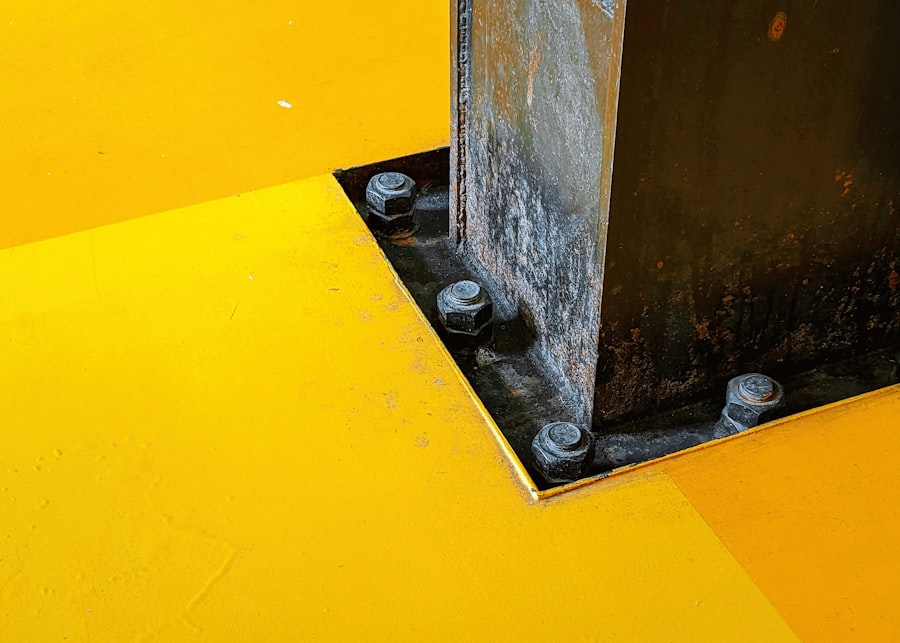
Metal forging finds applications across a wide array of industries due to its ability to produce strong and reliable components. In the automotive sector, forged parts such as crankshafts, connecting rods, and gears are commonplace because they offer superior strength-to-weight ratios compared to cast alternatives. These components must endure significant stress during operation; thus, their reliability is paramount for vehicle performance and safety.
The aerospace industry also heavily relies on forged components due to their critical role in ensuring structural integrity under extreme conditions. Forged titanium parts are often used in aircraft frames and engine components because they provide exceptional strength while remaining lightweight. Additionally, industries such as oil and gas utilize forged fittings and valves that must withstand high pressures and corrosive environments.
Beyond these sectors, metal forging plays a vital role in manufacturing tools and machinery across various fields. Hand tools like wrenches and hammers are frequently forged for durability and performance. In construction, forged steel rebar is used to reinforce concrete structures due to its strength and ability to bond effectively with concrete.
The Future of Metal Forging: Innovations and Advancements
As technology continues to evolve, so too does the field of metal forging. Innovations in materials science have led to the development of advanced alloys that offer enhanced properties such as increased corrosion resistance or improved fatigue life. These new materials expand the possibilities for what can be achieved through forging processes.
Moreover, advancements in computer-aided design (CAD) and simulation software have revolutionized how engineers approach forging design. By utilizing these tools, manufacturers can optimize die designs before production begins, reducing waste and improving efficiency. Simulation software allows for virtual testing of how materials will behave under various conditions during the forging process, enabling better predictions of outcomes.
Additive manufacturing technologies are also beginning to intersect with traditional forging methods. Hybrid processes that combine 3D printing with forging techniques are being explored to create complex geometries that were previously unattainable through conventional methods alone. This convergence could lead to new opportunities for customization and efficiency in production.
The Artistry and Skill of Metal Forging: Mastering the Craft
While metal forging is often viewed through a technical lens, it is also an art form that requires immense skill and creativity. Master blacksmiths possess an intimate understanding of materials and processes that allows them to create not only functional items but also stunning works of art. The ability to manipulate metal into intricate designs requires years of practice and dedication.
The artistry involved in metal forging can be seen in decorative elements such as gates, railings, sculptures, and jewelry. Each piece reflects not only the technical prowess of the craftsman but also their unique vision and style. Techniques such as repoussé (shaping metal from behind) or chasing (creating designs on the surface) showcase how artistry can elevate functional items into pieces worthy of admiration.
Furthermore, there is a growing movement within the blacksmithing community that emphasizes traditional techniques alongside modern innovations. Workshops and classes are being offered worldwide to teach aspiring artisans about both historical methods and contemporary practices. This blend of old-world craftsmanship with new technologies ensures that the art of metal forging continues to thrive while adapting to modern demands.
In conclusion, metal forging stands as a testament to human ingenuity—a craft steeped in history yet continually evolving with advancements in technology and artistry. Its significance spans across industries while embodying both strength and beauty through skilled craftsmanship.
If you are interested in learning more about metal forging, you may want to check out the article “The Benefits of Custom Metal Forging” on { lazyloadBackgroundObserver.observe( lazyloadBackground ); } ); }; const events = [ 'DOMContentLoaded', 'elementor/lazyload/observe', ]; events.forEach( ( event ) => { document.addEventListener( event, lazyloadRunObserver ); } );